

Gastric disorders
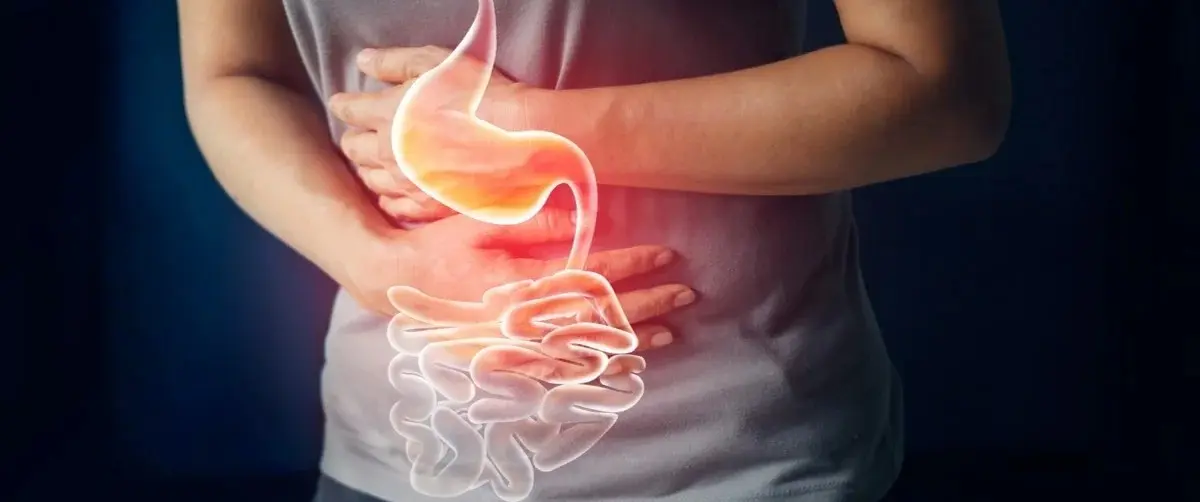
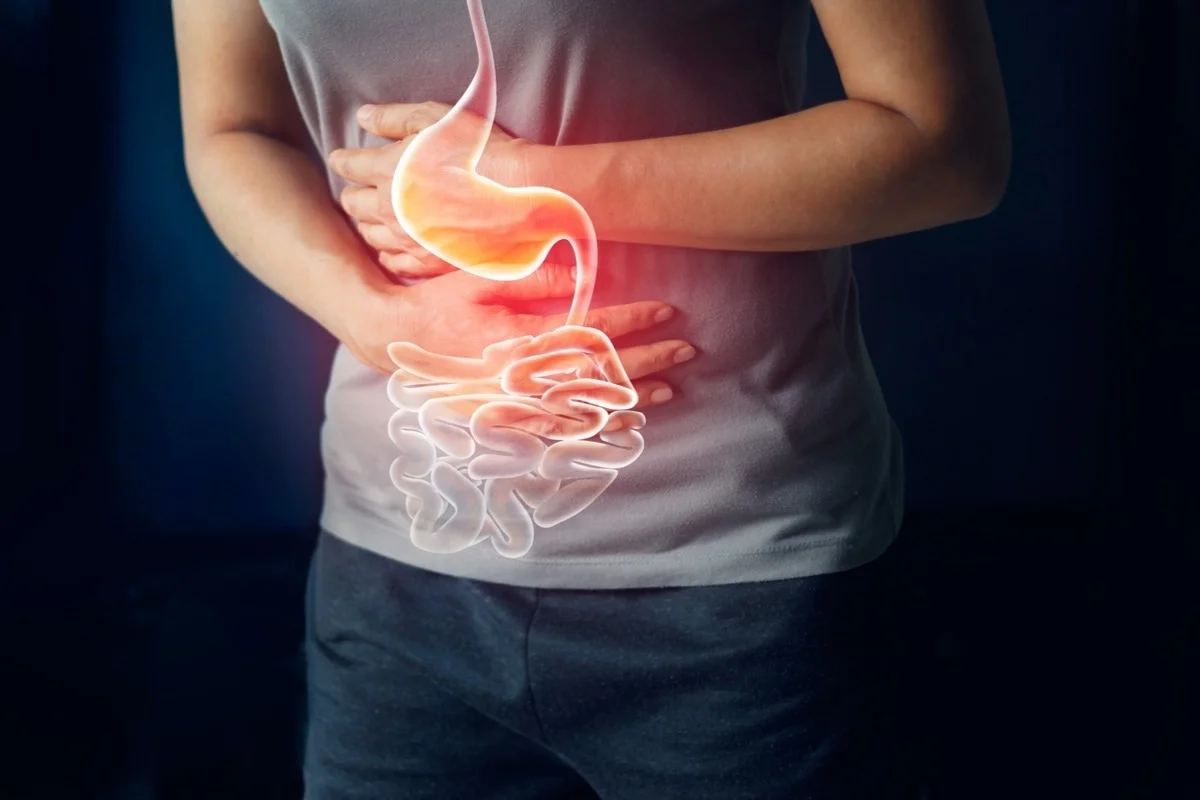
Gastric disorders may lead to bloating, acidity, and digestive discomfort.
What are Gastric Disorders?
Gastric disorders encompass a range of conditions that affect the stomach and digestive system. These disorders can cause discomfort, pain, and other symptoms that interfere with daily life. Common gastric disorders include gastritis, peptic ulcers, gastroesophageal reflux disease (GERD), and functional dyspepsia.
Symptoms of Gastric Disorders
Symptoms of gastric disorders can vary depending on the specific condition but often include:
- Abdominal pain or discomfort
- Bloating
- Nausea and vomiting
- Indigestion or heartburn
- Loss of appetite
- Unintentional weight loss
- Burping or belching
- Feeling full quickly when eating
Common Types of Gastric Disorders
1. Gastritis
Gastritis is the inflammation of the stomach lining, often caused by infection with Helicobacter pylori bacteria, prolonged use of nonsteroidal anti-inflammatory drugs (NSAIDs), or excessive alcohol consumption. Symptoms include abdominal pain, nausea, and vomiting.
2. Peptic Ulcers
Peptic ulcers are open sores that develop on the inner lining of the stomach or the upper part of the small intestine. They are primarily caused by H. pylori infection or long-term use of NSAIDs. Symptoms include burning stomach pain, bloating, and nausea.
3. Gastroesophageal Reflux Disease (GERD)
GERD occurs when stomach acid frequently flows back into the esophagus, irritating its lining. Common symptoms include heartburn, regurgitation, and difficulty swallowing.
4. Functional Dyspepsia
Functional dyspepsia, also known as indigestion, is a chronic disorder that causes pain or discomfort in the upper abdomen. The exact cause is often unclear, but it can be related to stomach acid, H. pylori infection, or impaired stomach motility.
Causes of Gastric Disorders
Gastric disorders can be caused by various factors, including:
- Infections: H. pylori bacteria are a common cause of gastritis and peptic ulcers.
- Medications: Long-term use of NSAIDs can damage the stomach lining.
- Diet and lifestyle: Excessive alcohol consumption, smoking, and poor diet can contribute to gastric disorders.
- Stress: Chronic stress can affect the digestive system and exacerbate symptoms.
- Genetics: A family history of gastric disorders can increase the risk.
Diagnosis of Gastric Disorders
Diagnosing gastric disorders typically involves a combination of medical history, physical examination, and diagnostic tests. These tests may include:
- Endoscopy: A procedure where a thin, flexible tube with a camera is inserted into the stomach to view the lining.
- Blood tests: To check for H. pylori infection or other abnormalities.
- Stool tests: To detect H. pylori or blood in the stool.
- Imaging tests: Such as X-rays or CT scans to visualize the stomach and digestive tract.